
Munich Diplomacy Summit
Engineering peace - debugging the past, building new systems.
- Dates
- 08.04.2027 - 11.04.2027
- Venue
- Munich, Germany
- Contact
- mdssecretariat@muntum.org
Starts in 173 days
About the conference
About Munich Diplomacy Summit 2027
After two successful editions in 2025 and 2026, we are excited to welcome you to the third Munich Diplomacy Summit in 2027! MDS 2027 offers a remarkable Model United Nations experience in Munich, hosted by Germany's largest MUN society MUNTUM e.V., and under the prestigious Technical University of Munich. Between the 8th and 11th of April 2027, expect high-level debates, interactive committee sessions, and unmissable socials at the heart of Europe!
Theme
At MDS 2027, we approach diplomacy the way engineers approach a system: we look for where it failed, understand why, and build something that works better. Our theme, "Engineering Peace – debugging the past, building new systems", invites delegates to learn from the mistakes of history and to design the institutions, agreements and ideas that a more peaceful world needs.
Our goals
We will address burning global issues together with an emphasis on collective sustainability, shared accountability, and creative solutions for a better tomorrow.
Debate
Committees
 Difficulty: Beginner
COP
The Conference of the Parties (COP) is the supreme decision-making body of the United Nations Framework Convention on Climate Change, where states negotiate how the world responds to climate change. From emission targets to climate finance and adaptation, every agreement has to balance national interests with the future of a shared planet. This committee is an excellent choice for first-time delegates who want to experience consensus-driven diplomacy on one of the defining issues of our time.
 Difficulty: Beginner
UNODC
The United Nations Office on Drugs and Crime (UNODC) leads the global fight against illicit drugs, organised crime, trafficking, corruption, and terrorism. Its delegates tackle cross-border challenges that no state can solve alone, weighing security against human rights and public health. With its concrete, solution-oriented debates, UNODC is a great committee for delegates taking their first steps in MUN.
 Difficulty: Intermediate
Chairs' Choice
In Chairs' Choice, the chairs select the committee and its topic themselves. More details will follow soon.
 Difficulty: Intermediate
SPECPOL
The Special Political and Decolonization Committee (SPECPOL) is one of the UN General Assembly’s most influential bodies, tasked with addressing issues that shape the international order. From overseeing peacekeeping missions and decolonization processes to debating the use of outer space and the rights of refugees, SPECPOL deals with matters at the heart of global governance. This committee is best for delegates who enjoy high-level debates that balance political complexity with long-term solutions
 Difficulty: Expert
Bicameral Crisis
In the Bicameral Crisis, two committees face each other in one evolving crisis, and every directive passed in one room changes the situation in the other. Delegates react to live crisis updates, act through directives, and negotiate across both chambers. This committee is designed for experienced delegates who enjoy fast-paced, unpredictable debate.
 Difficulty: Expert
UNSC
The United Nations Security Council (UNSC) is one of the most powerful bodies within the UN, primarily responsible for maintaining international peace and security. Composed of 15 member states—five permanent members with veto power and ten non-permanent members—it can authorize peacekeeping operations, impose sanctions, and establish international tribunals. Delegates in this committee face high-stakes, fast-paced crises and must work to negotiate resolutions that balance national interests with global stability.
International Press Corps
In the International Press Corps (IPC), you will be able to support debates with your journalistic abilities by publishing various journalistic pieces, including featured articles, opinion articles, or interviews. Don’t forget that news outlets also use comedic columns or other creative media, such as memes and gossip, to cover the happenings outside of the debate! Your news will be published throughout the committee sessions and can lead to the uncovering of improper foreign policy or interesting alliances.
People
Secretariat
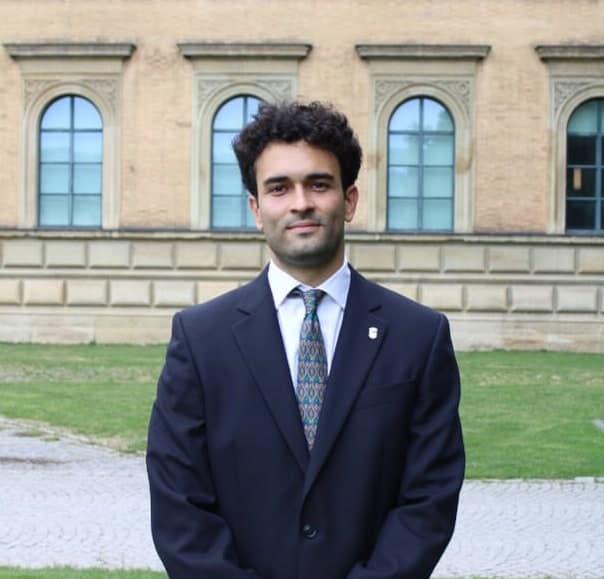
Martín Tabares de Nava Zárate
Secretary General
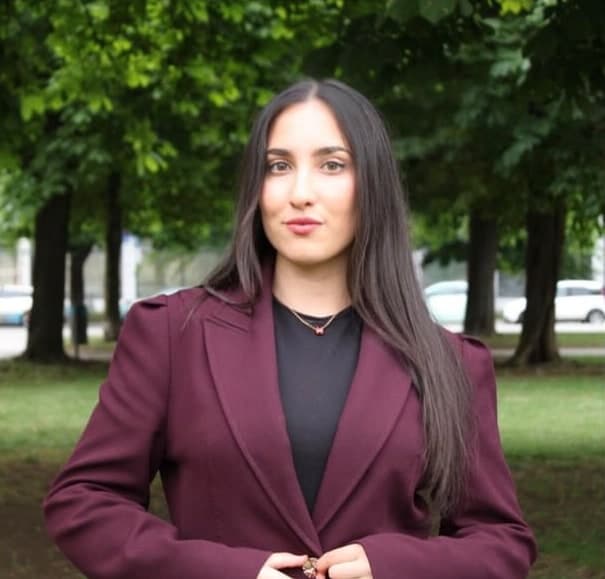
Emilia Zael
Secretary General
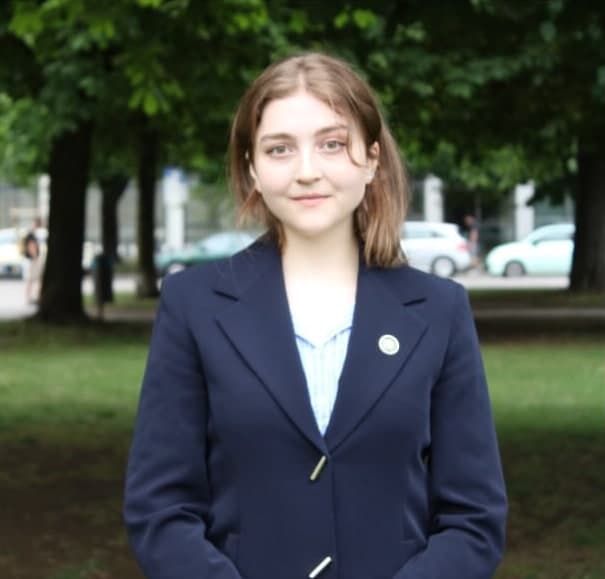
Isabell Walther
Deputy Secretary General
Organizing Team
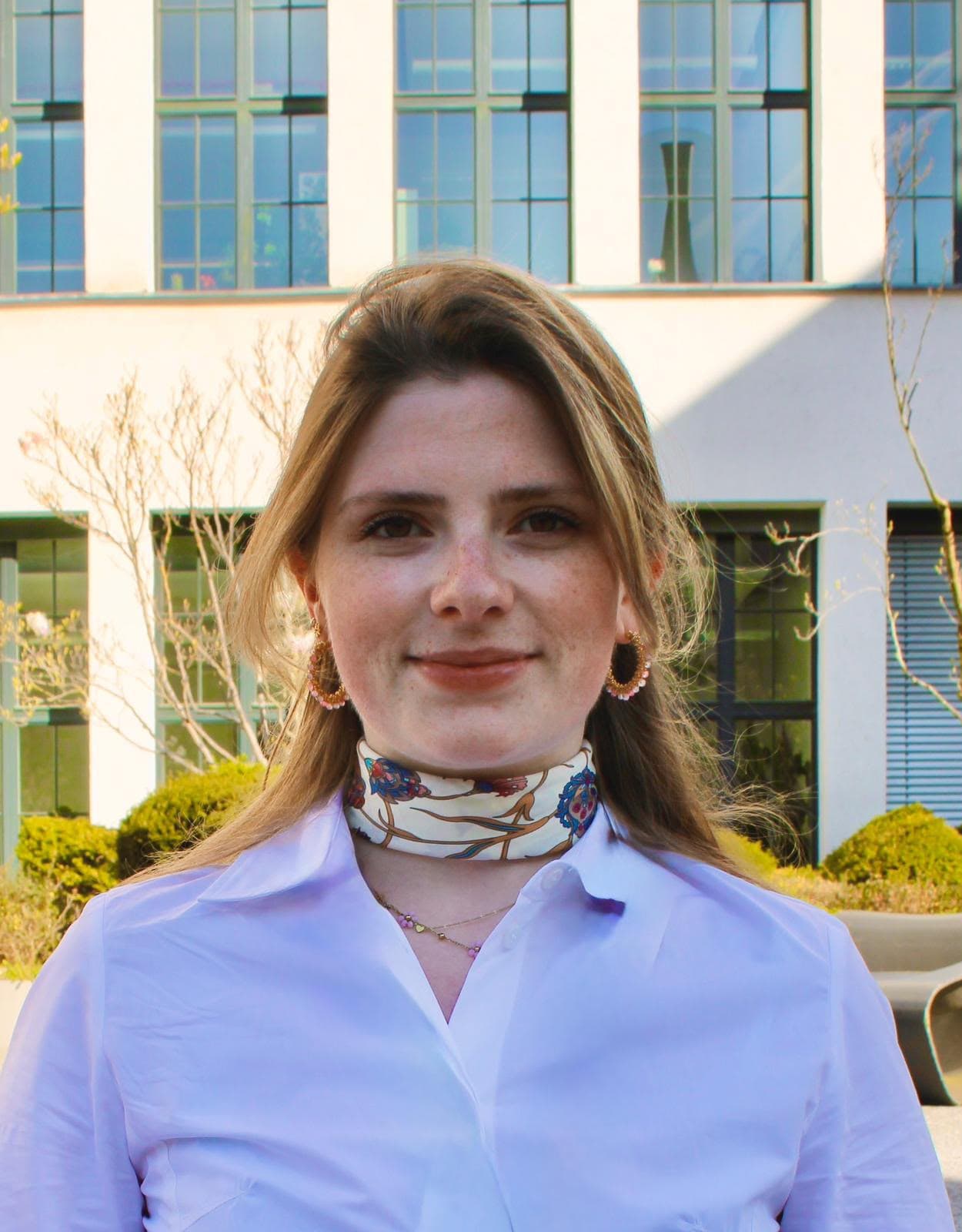
Elena Senn
Academic Director
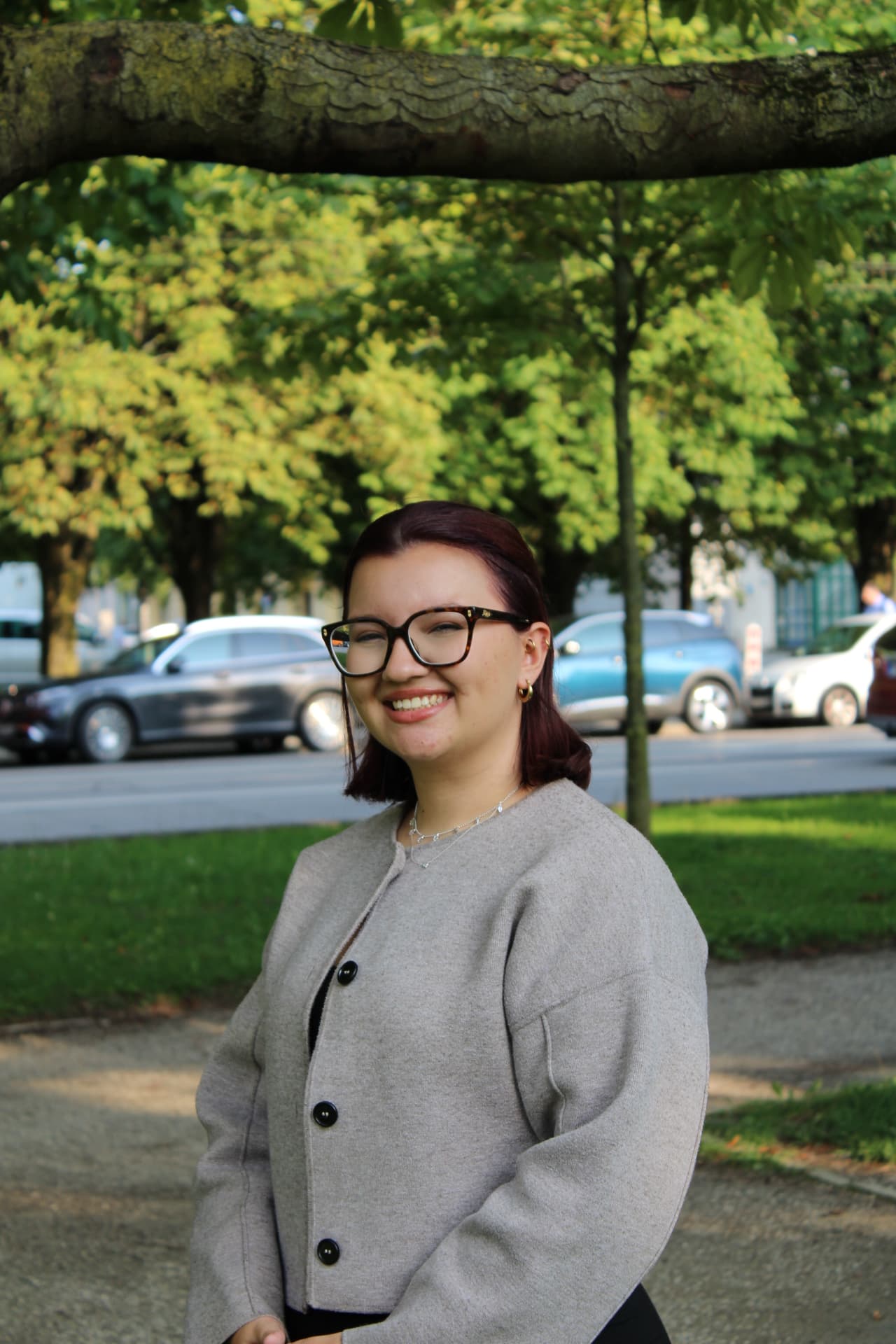
Myrto Nikolaou
Academic Director
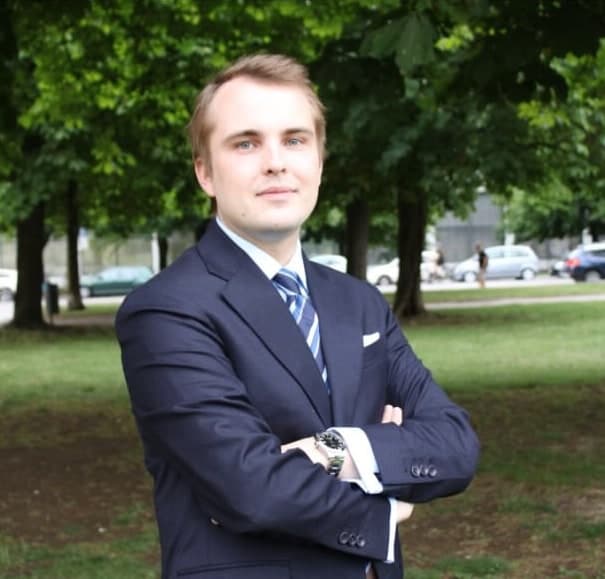
Nico Stein
USG of Academics
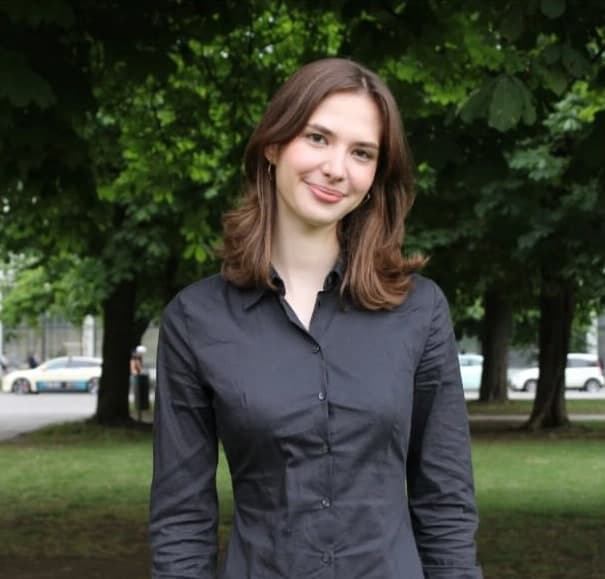
Laetitia Tranitz
USG of Administration
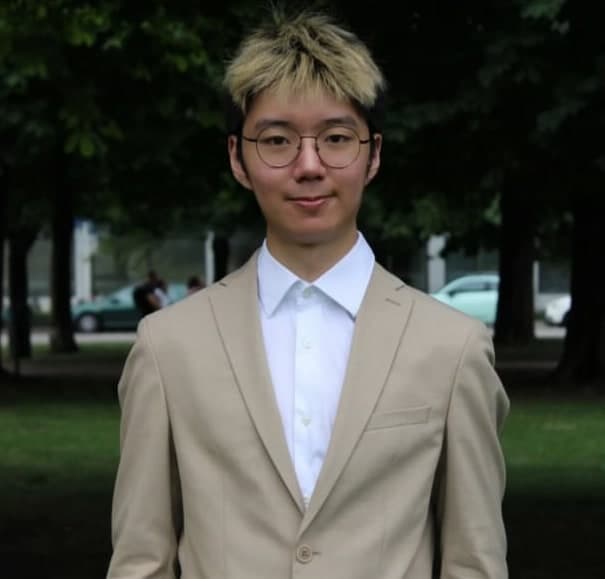
Michael Timothy
USG of Administration
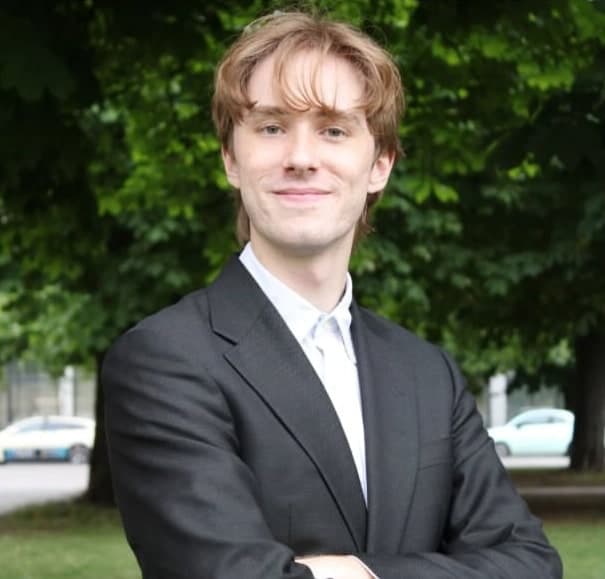
Leonard Asbahr Mitrik
USG of Communications
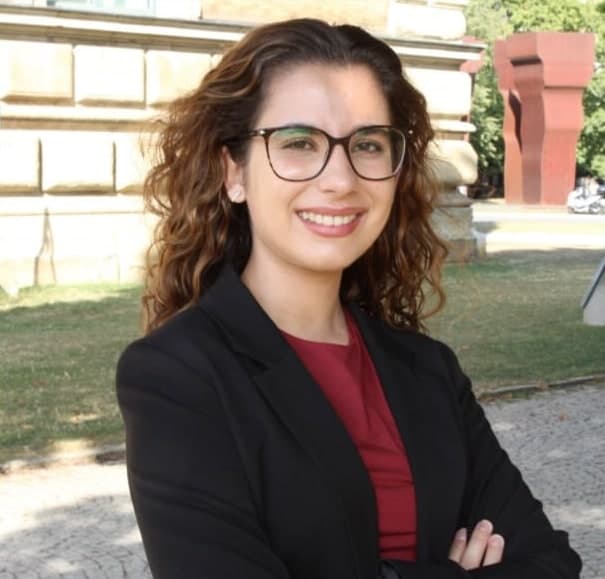
Jacqueline Kess
USG of Finance
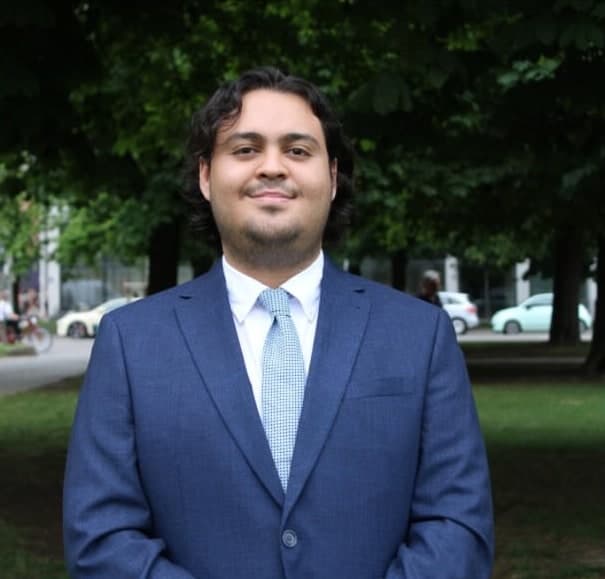
Miguel Madera Jimenez
USG of Logistics
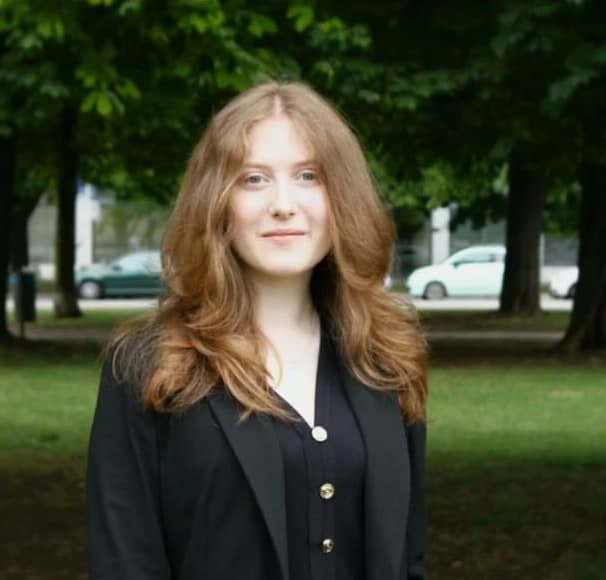
Anna Maria Bichler
USG of Publicity
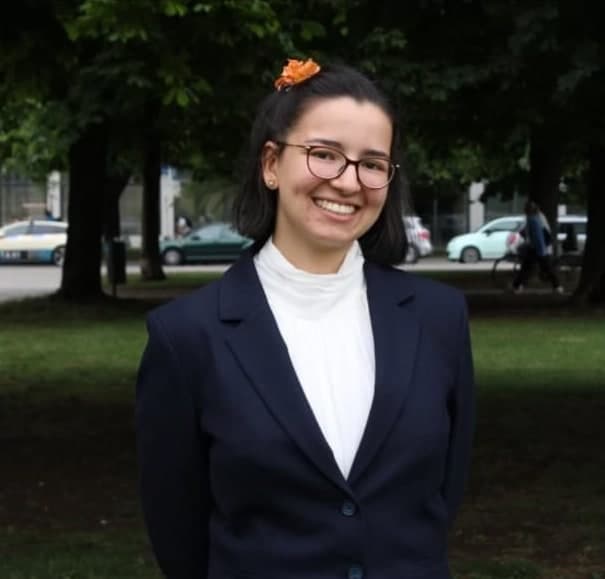
Laura Will
USG of Socials
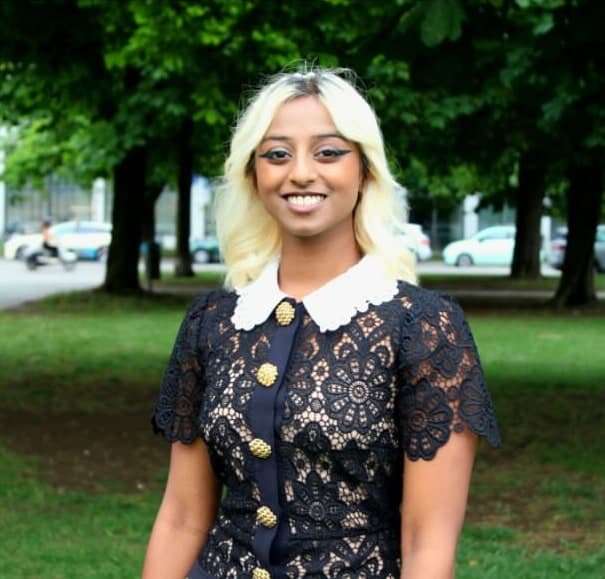
Dhivya Ravi
USG of Socials
Good to know
FAQ
Who can apply?
Do I need experience?
How do I choose a committee?
How are countries assigned?
What should I wear?
Questions?