
Munich Diplomacy Summit
Ties that shape tomorrow - bridging differences, building futures.
- Dates
- 09.04.2026 - 12.04.2026
- Venue
- Technical University of Munich Arcisstraße 21, 80333 Munich, Germany
- Contact
- mdssecretariat@muntum.org
About the conference
About Munich Diplomacy Summit 2026
After the success of our 2025 edition, we are excited to welcome you to our second one in 2026! MDS 2026 offers a remarkable Model United Nations experience in Munich, hosted by Germany's largest MUN society MUNTUM e.V., and under the prestigious Technical University of Munich. Between the 9th and 12th of April 2026, expect high-level debates, interactive committee sessions, and unmissable socials at the heart of Europe!
Theme
At MDS 2026, we firmly believe that the debates that we hold today shape the world that we live in tomorrow. Our theme, "Ties that Shape Tomorrow – Bridging Differences, Building Futures", represents our commitment to constructing a conversation that crosses borders, perspectives, and cultures.
Our goals
We will address burning global issues together with an emphasis on collective sustainability, shared accountability, and creative solutions for a better tomorrow.
Debate
Committees
 Difficulty: Beginner
SPECPOL
The Special Political and Decolonization Committee (SPECPOL) is one of the UN General Assembly’s most influential bodies, tasked with addressing issues that shape the international order. From overseeing peacekeeping missions and decolonization processes to debating the use of outer space and the rights of refugees, SPECPOL deals with matters at the heart of global governance. This committee is best for delegates who enjoy high-level debates that balance political complexity with long-term solutions
 Difficulty: Beginner
UNESCO (Highschool)
The United Nations Educational, Scientific and Cultural Organization (UNESCO) works to foster peace and sustainable development through international cooperation in education, the sciences, culture, and communication. This committee is an excellent choice for delegates who are passionate about debating in a collaborative environment focused on long-term, global solutions. UNESCO offers delegates a chance to explore a wide range of global issues, from protecting world heritage sites and promoting literacy to addressing climate change through scientific collaboration.
 Difficulty: Intermediate
NATO (Highschool)
The North Atlantic Treaty Organization (NATO) is a military and political alliance dedicated to collective defense and addressing modern security challenges. The fast-paced nature of this committee and its unique focus on military cooperation and strategic alliances make it an exciting and engaging experience for delegates interested in international security. As a high school committee, it will provide delegates a platform to develop real-world crisis management skills.
 Difficulty: Intermediate
BRICS+
The BRICS+ summit unites Brazil, Russia, India, China, South Africa, and new partner states to strengthen South-South cooperation and challenge traditional power structures. As a growing presence in international politics, BRICS+ debates global governance, trade, finance, and security from non-Western perspectives. This committee is ideal for delegates eager to explore shifting power dynamics and the rise of multipolarity in shaping the future of international relations.
 Difficulty: Intermediate
Roman Senate
The year is 49BC. The Republic stands upon a fatal precipice. Caesar lurks with his battle hardened legions just beyond the Rubicon, eyeing Rome with hungry eyes. He has broken the laws of Rome and many in the Senate would see him stripped of his command and punished. But not all. At this moment of crisis you will sit in a Senate torn between the supporters of Caesar, his opponent Pompey and those with more complex loyalties. Through skilled oratory, secret understandings and unreliable alliances, you will have to come to an agreement, ensuring that you do not let slip the dogs of war and witness the Republic crumble over your heads.
 Difficulty: Expert
UNSC
The United Nations Security Council (UNSC) is one of the most powerful bodies within the UN, primarily responsible for maintaining international peace and security. Composed of 15 member states—five permanent members with veto power and ten non-permanent members—it can authorize peacekeeping operations, impose sanctions, and establish international tribunals. Delegates in this committee face high-stakes, fast-paced crises and must work to negotiate resolutions that balance national interests with global stability.
 Difficulty: Expert
US Senate Committee on Foreign Relations
One of the most powerful arenas in American politics, the U.S. Senate Foreign Relations Committee decides how the U.S. engages with the world. From shaping the Marshall Plan after World War II to authorizing U.S. participation in NATO, the committee has repeatedly changed the course of global politics. As senators, delegates debate treaties, steer foreign aid, and respond to crises, balancing partisanship and diplomacy in a chamber where every decision carries global weight.

International Press Corps
In the International Press Corps (IPC), you will be able to support debates with your journalistic abilities by publishing various journalistic pieces, including featured articles, opinion articles, or interviews. Don’t forget that news outlets also use comedic columns or other creative media, such as memes and gossip, to cover the happenings outside of the debate! Your news will be published throughout the committee sessions and can lead to the uncovering of improper foreign policy or interesting alliances.
People
Secretariat
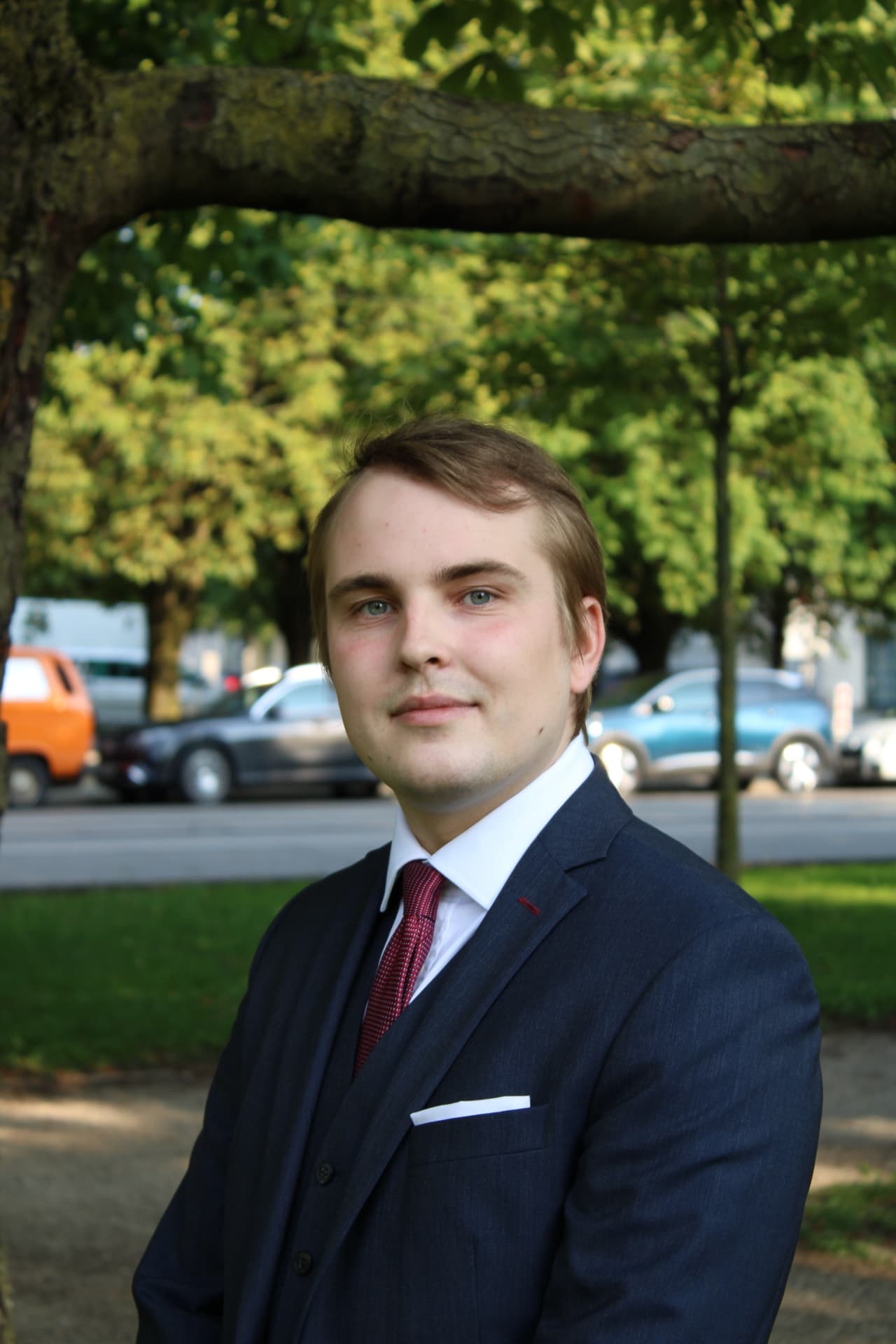
Nico Stein
Secretary General
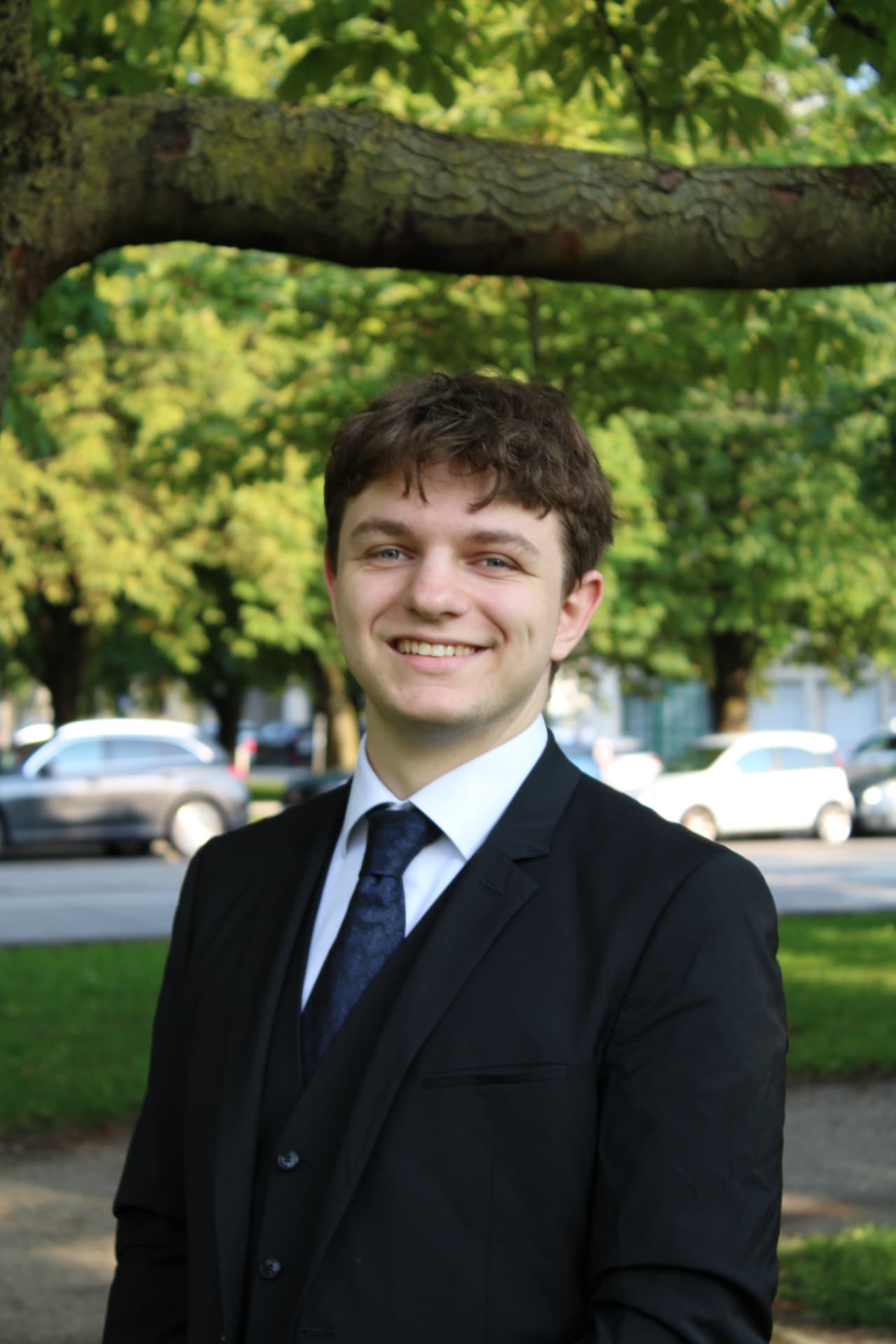
Mats Hagedorn
Secretary General
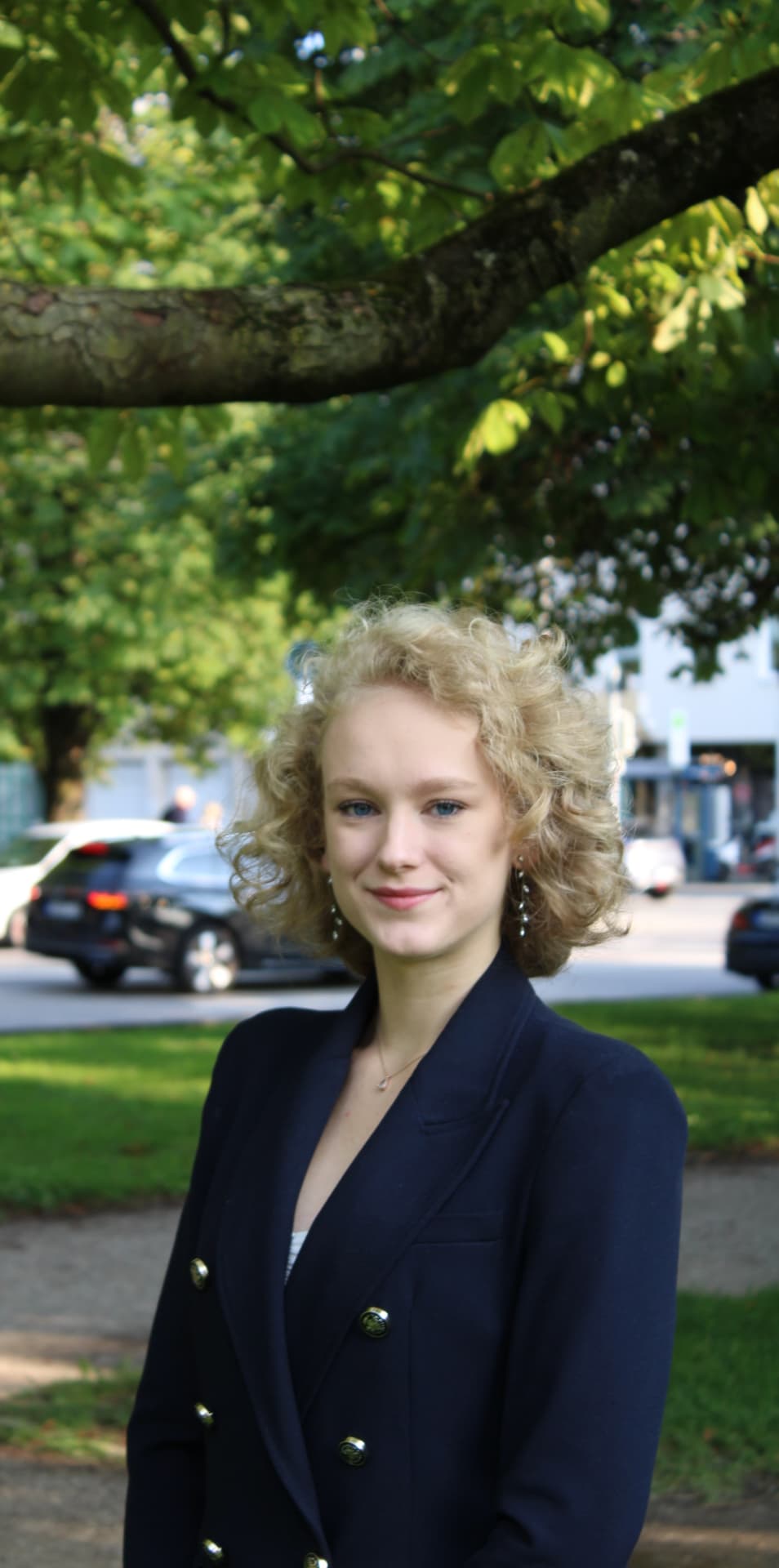
Katharina Haack
Deputy Secretary General
Organizing Team
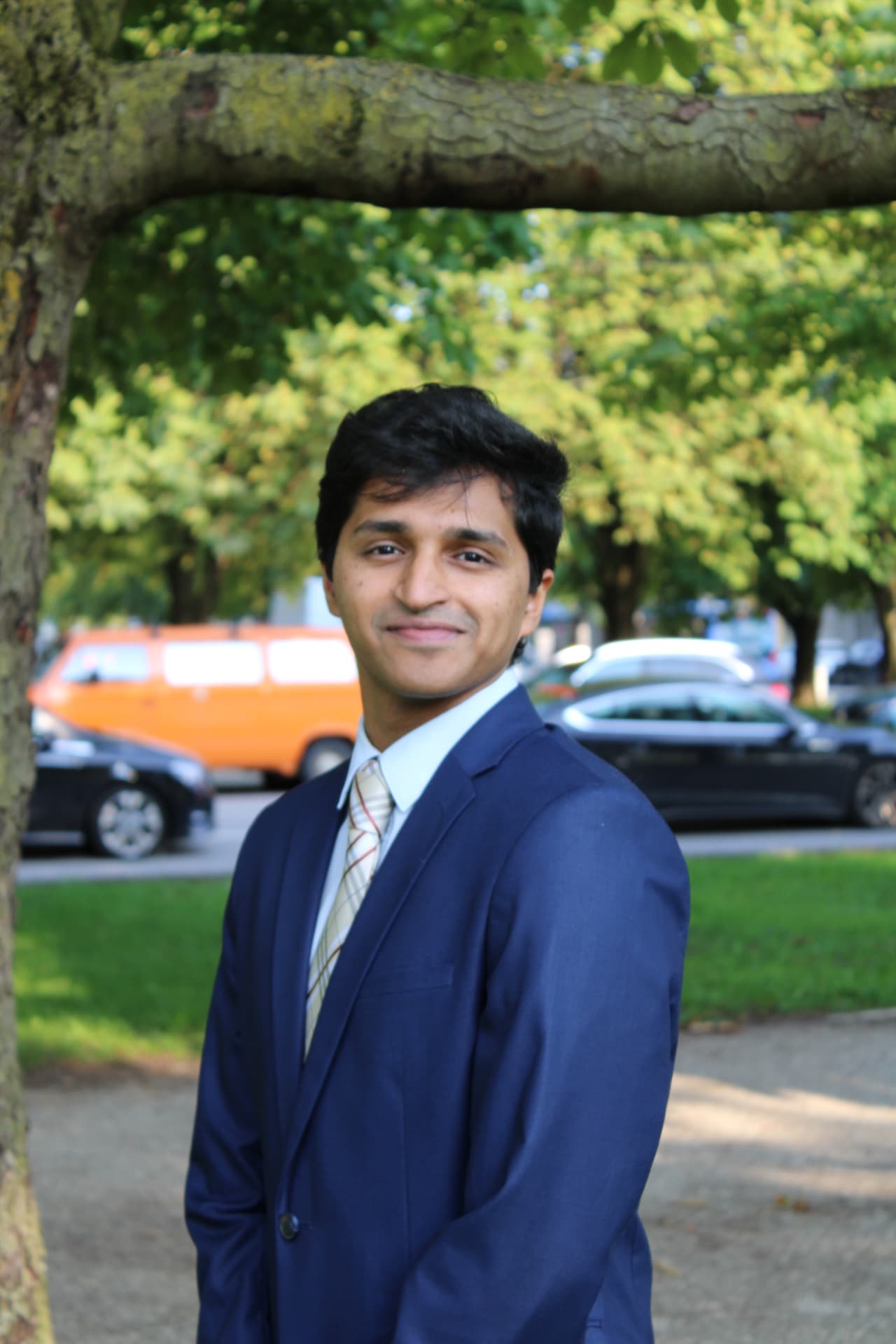
Kesav Menon
USG of Academics
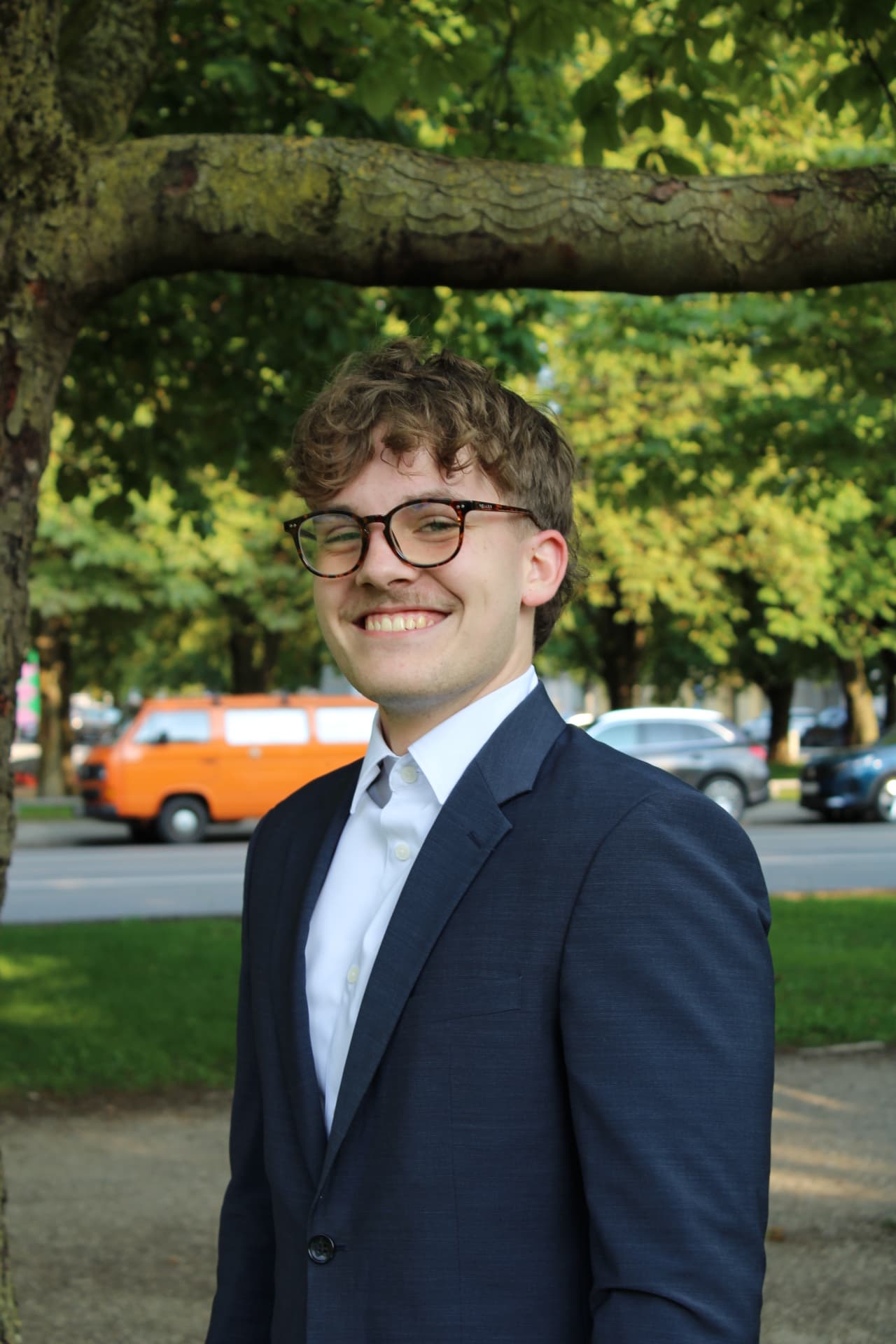
Julius Höflich
USG of Administration
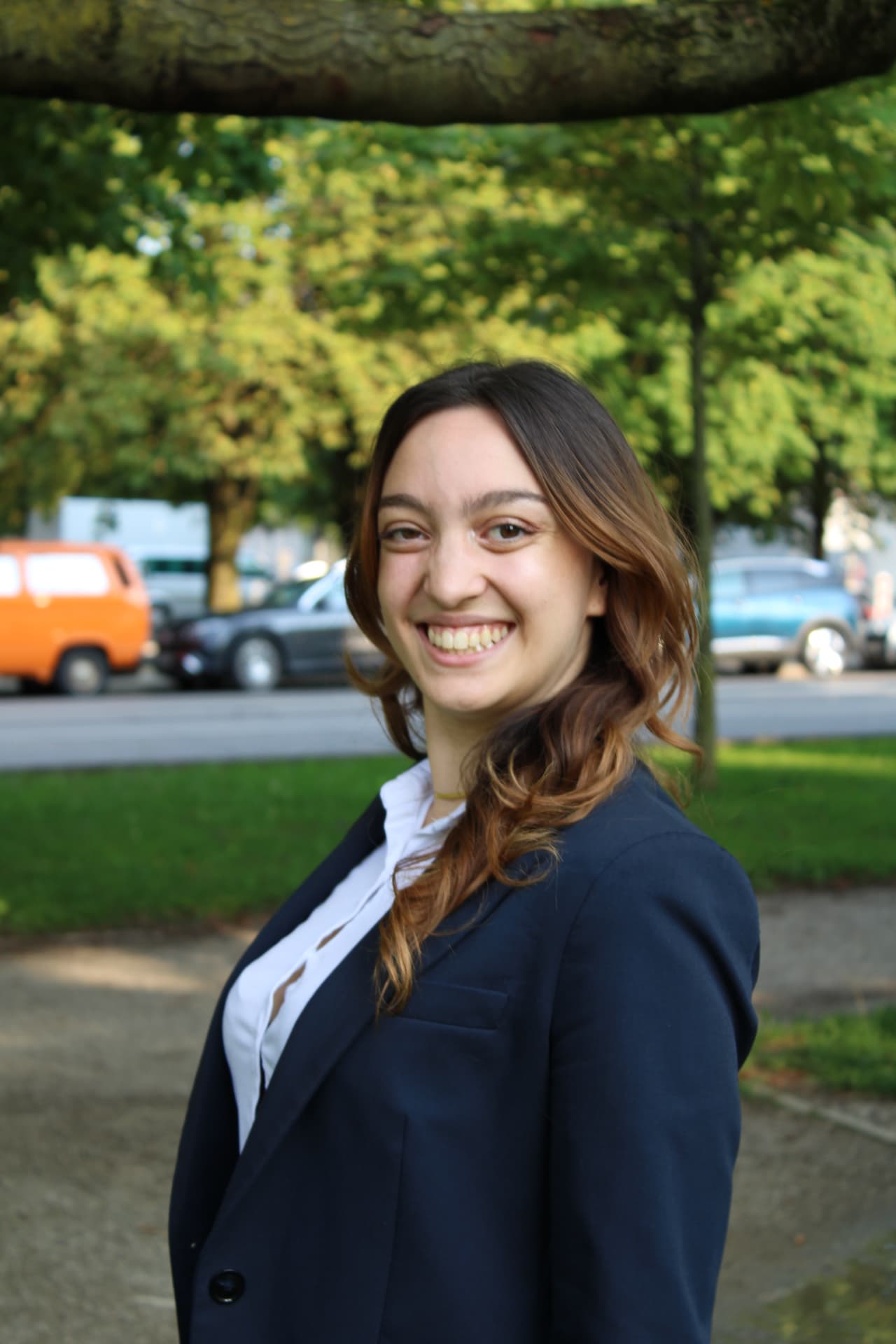
Jasmin Seitter
USG of Administration
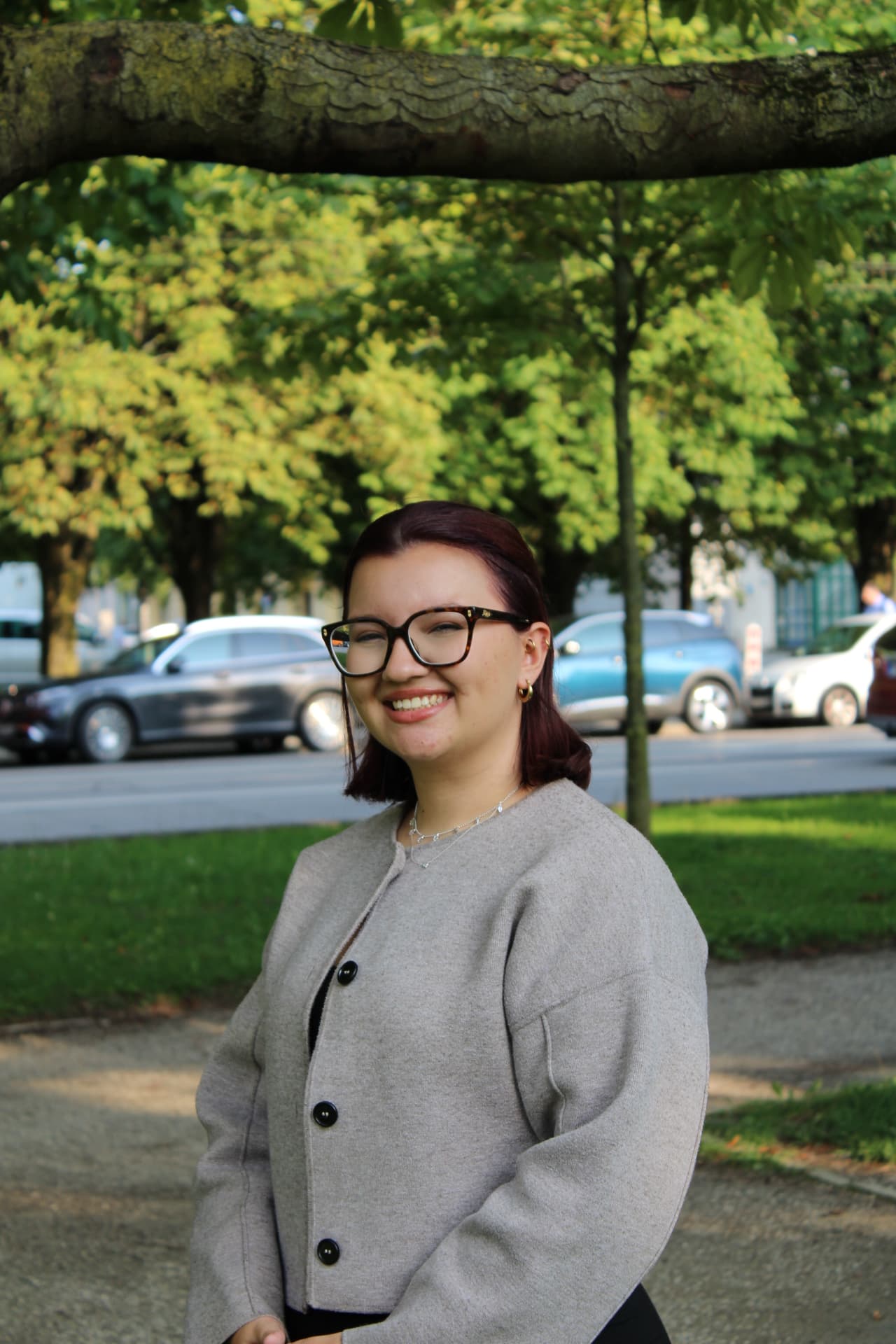
Myrto Nikolaou
USG of Communications
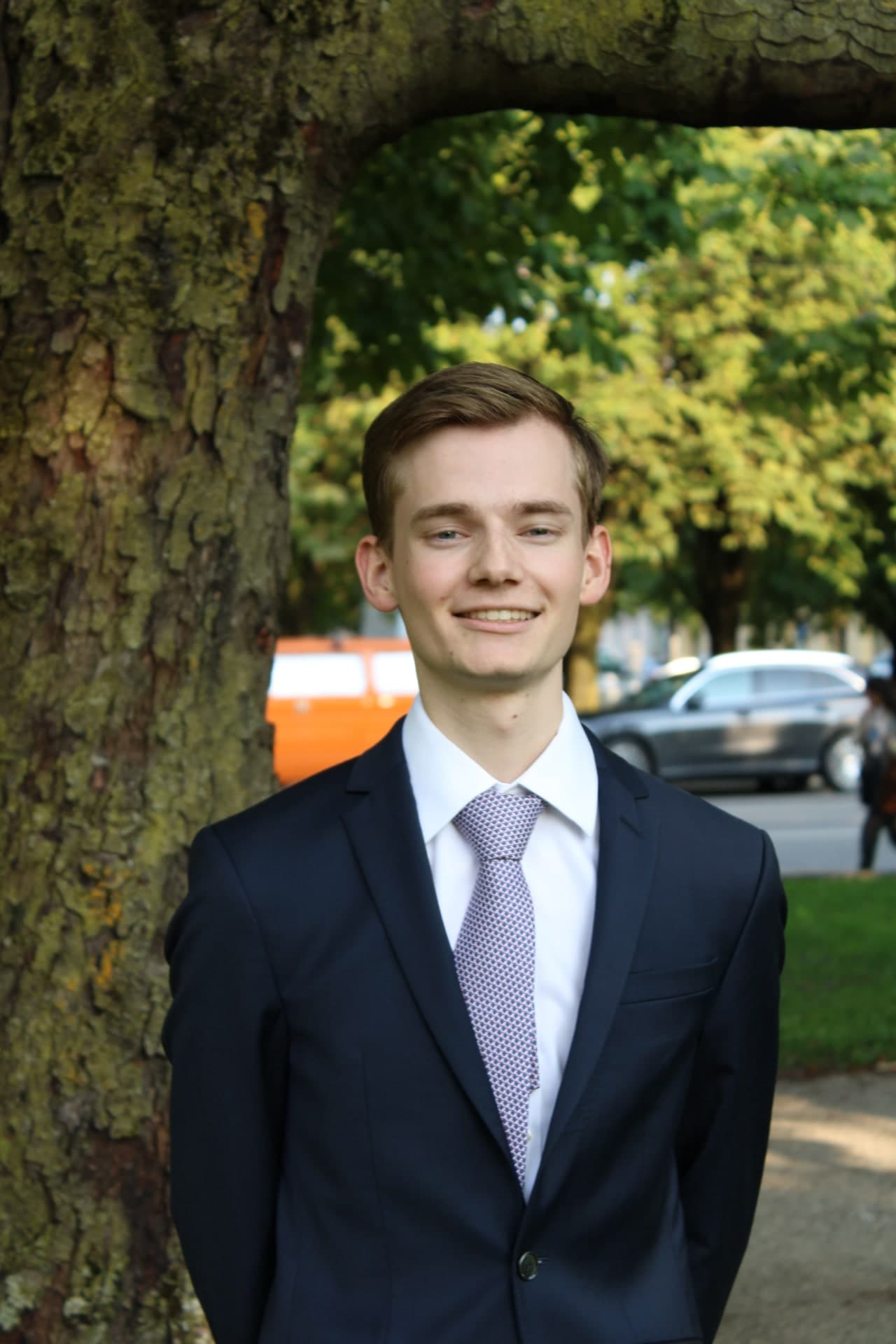
David Holzwarth
USG of Finance
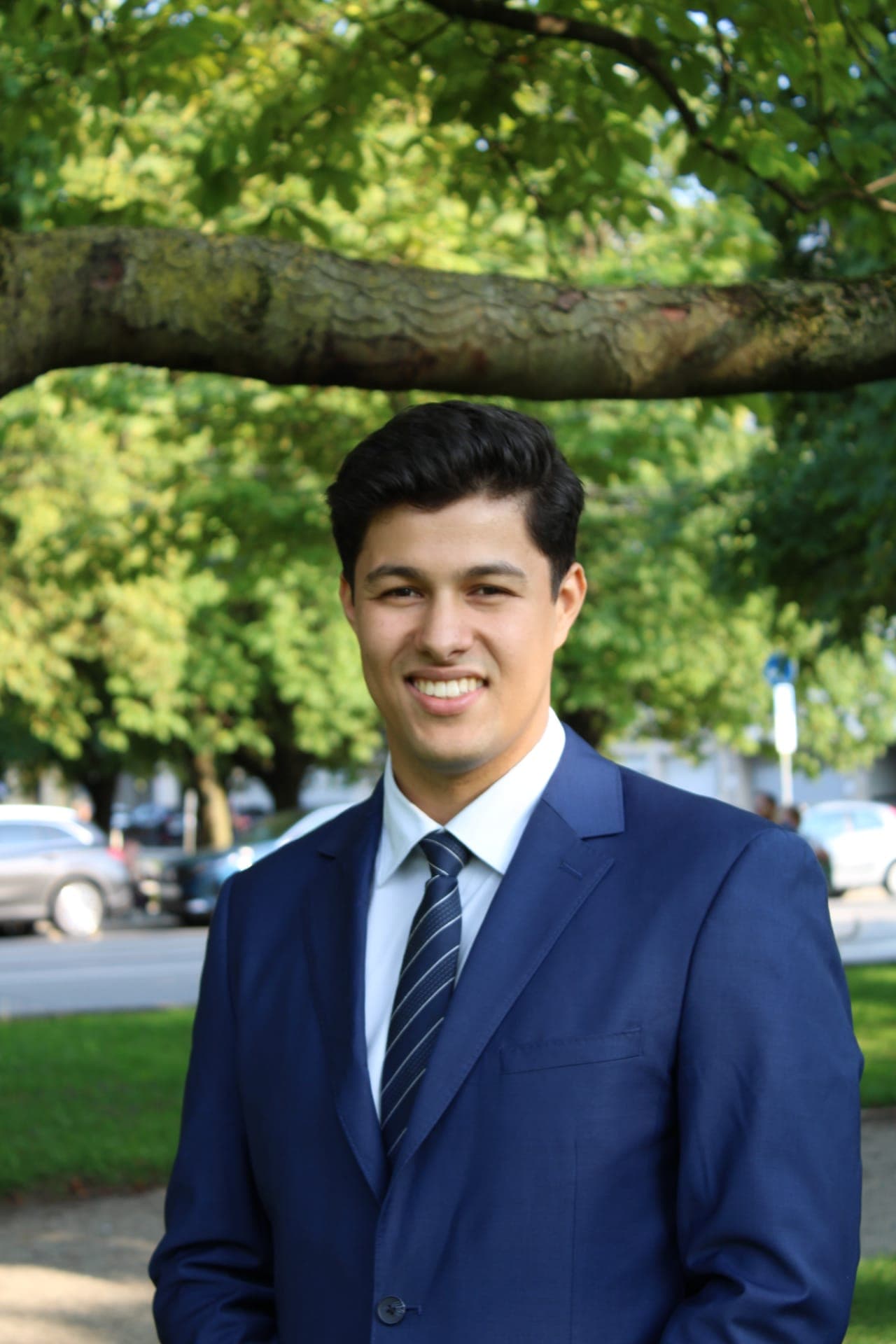
Amin Faouzi
USG of Logistics
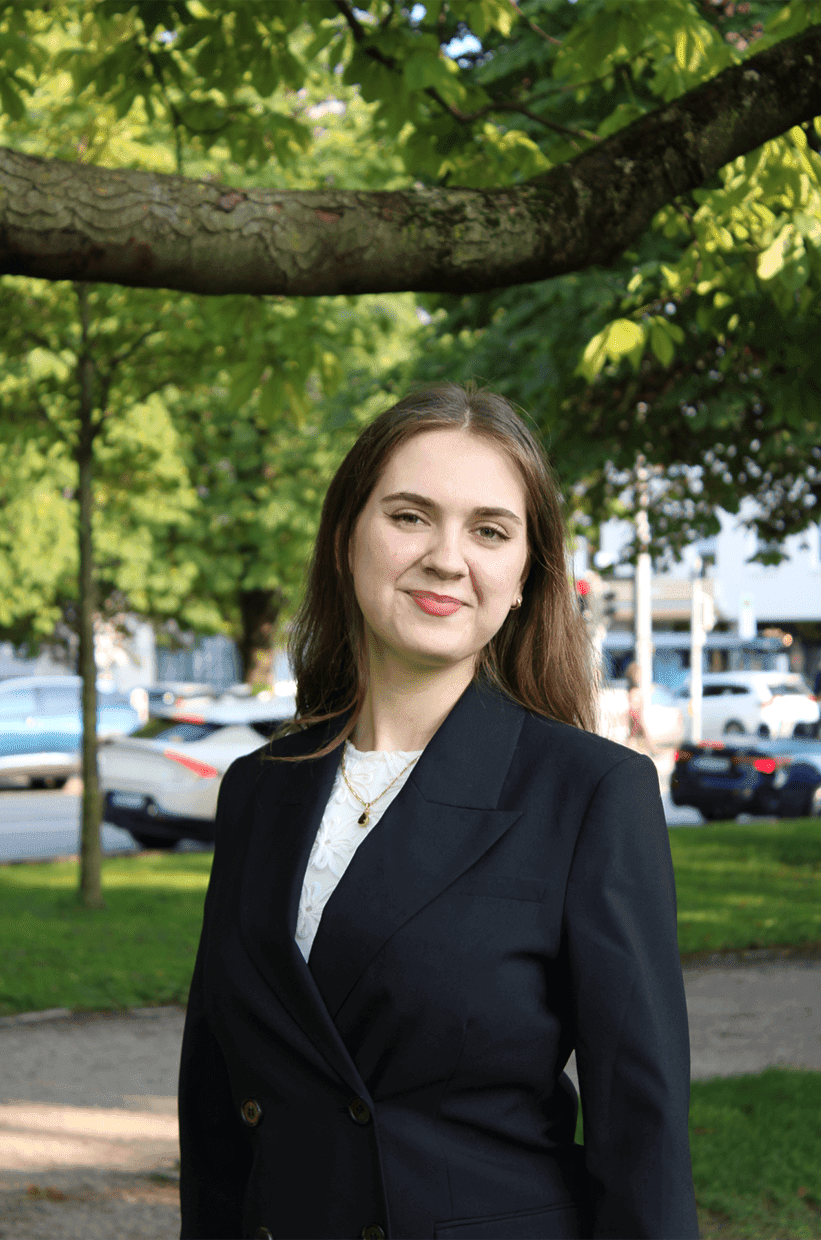
Lily Oehm
USG of Publicity
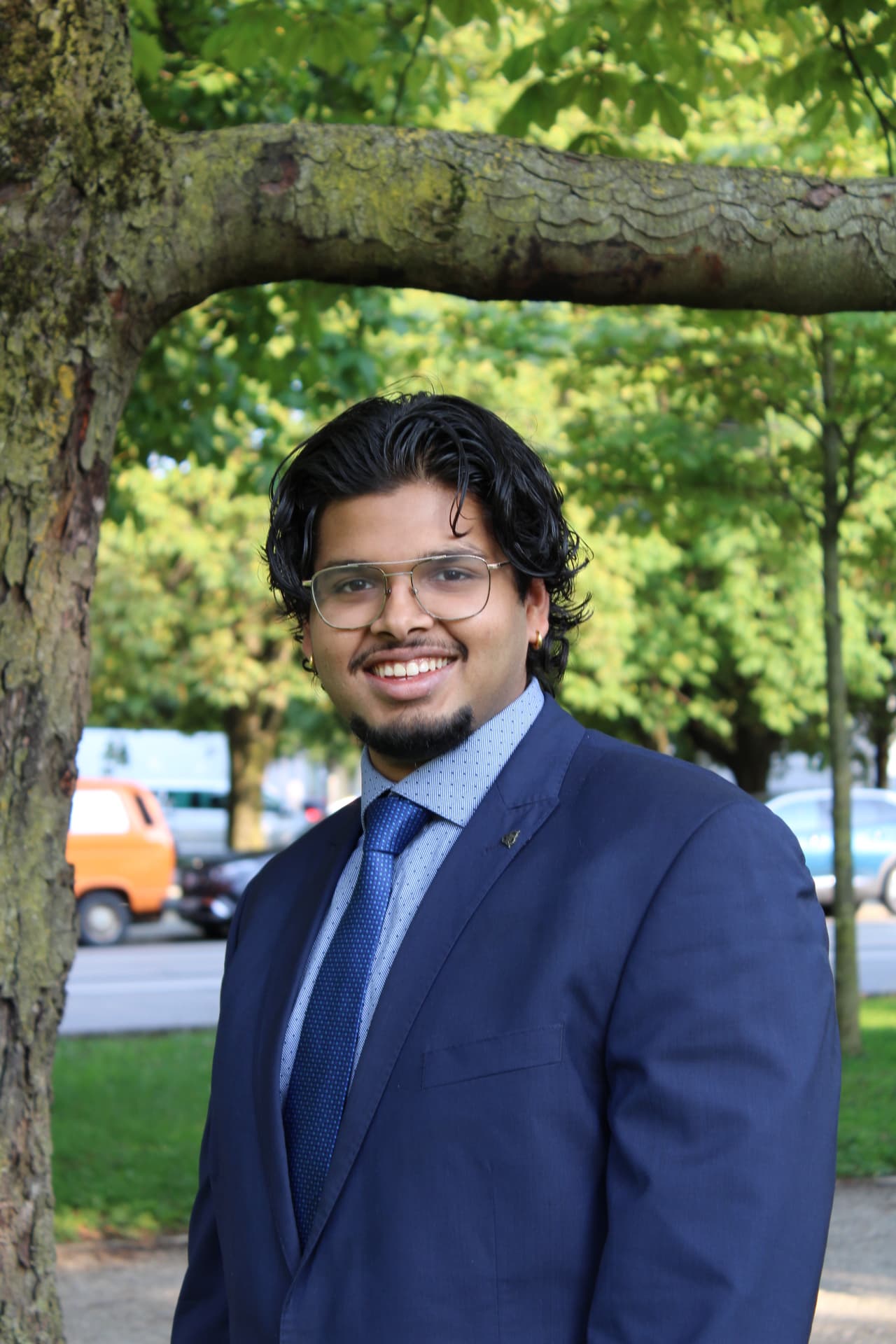
Abhinav Ajit
USG of Socials
Good to know
FAQ
Who can apply?
Do I need experience?
How do I choose a committee?
How are countries assigned?
What should I wear?
Questions?